
Congratulations, Jaclyn, on successfully defending her PhD thesis and becoming Dr. Jaclyn Robustelli!
Sunghee Lee, Ph.D. • September 2, 2020
Jaclyn Robustelli (‘14 BS Biochemistry), our former Project Symphony member, successfully defended her dissertation on “The molecular basis of membrane interactions of peripheral membrane proteins” under the guidance of Professor Tobias Baumgart, and earned her doctoral degree in Biophysics at the University of Pennsylvania. She will start a Senior Scientist position in R&D at LifeSensors in Malvern, PA. Congratulations Jaclyn! We are all very proud of you.
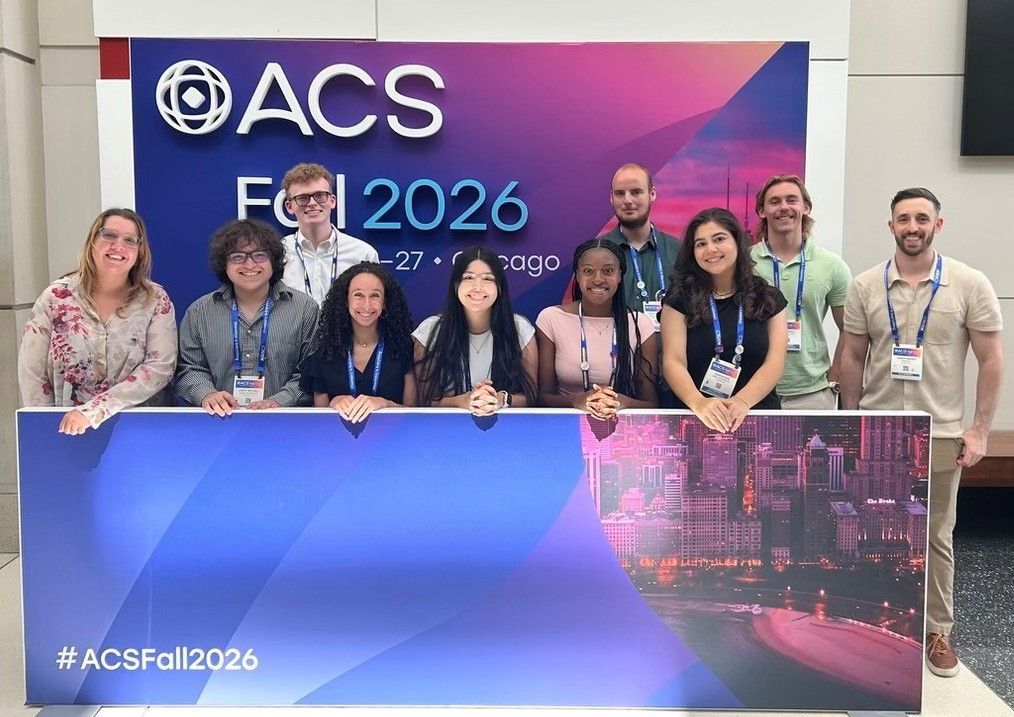
Project Symphony members proudly presented seven research posters at the ACS Fall Meeting in Chicago in the Biomaterials and Biointerfaces session of the Division of Colloid and Surface Chemistry. Presenting in this highly professional research setting—alongside graduate students and Ph.D.-level chemistry researchers—was a meaningful opportunity for our students to share their work, exchange ideas, and represent Project Symphony. This year’s group photograph is especially meaningful because it includes two Project Symphony alumni from the classes of 2015 and 2010, pictured at the far left and far right. Both are now accomplished scientists, and their return is a wonderful reminder of the lasting legacy of Project Symphony and the close-knit scientific community we have built over the past two decades. I am immensely proud of the hard work, dedication, and growth that led to these presentations. Congratulations to all of our presenters—keep up the excellent work!
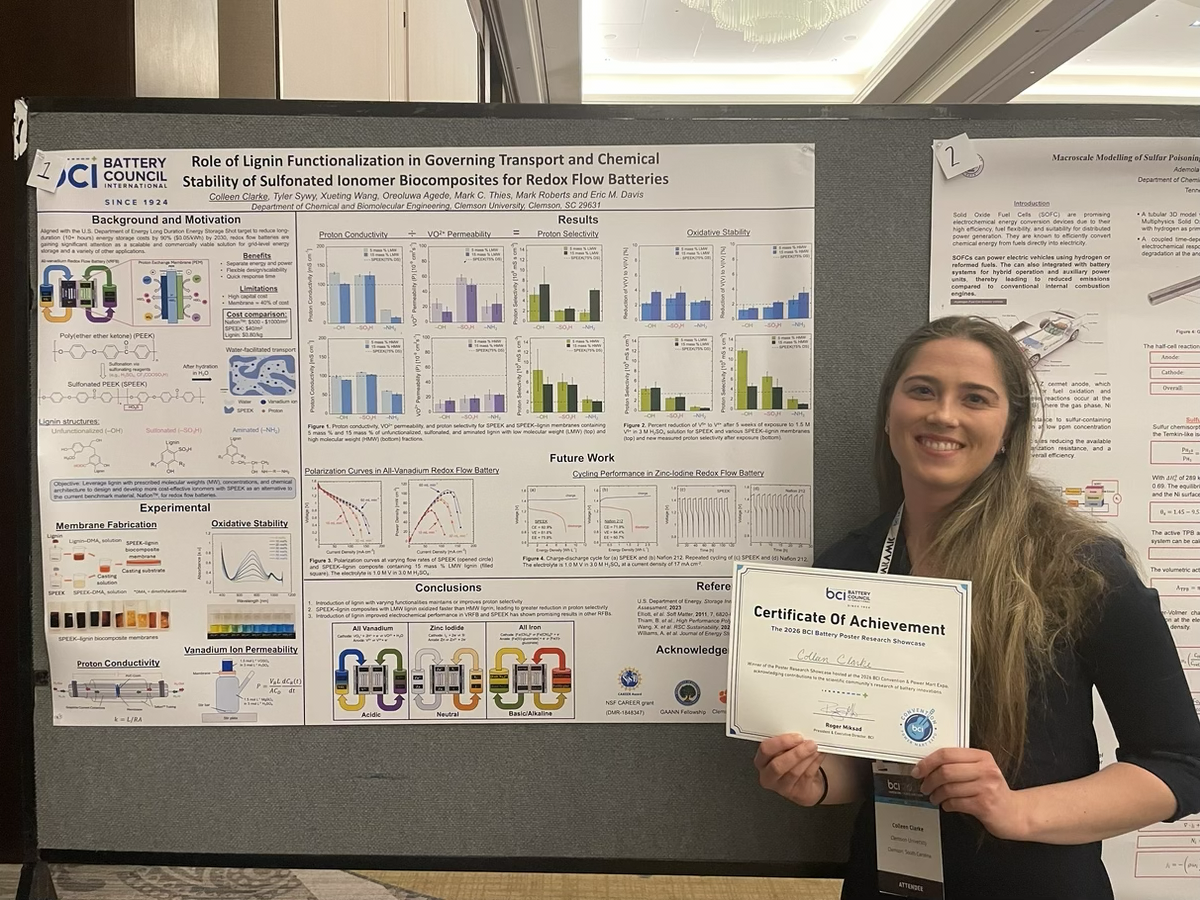
We are proud to celebrate the continued success of former Project Symphony member Colleen Clarke, a Ph.D. candiate at Clemson University, who has recently received the first place in the poster session at the Women in the Global Battery Industry's Science Award. Colleen received this prestigious honor for her academic work on the impact of lignin on the transport of chemical properties of sulfonated ionomer composites for all-vanadium redox flow batteries. Colleen exemplifies the curiosity, dedication, and perseverance that Project Symphony strives to nurture in all of its participants. During her time with Project Symphony, Colleen demonstrated a strong commitment to scientific exploration and collaborative learning. Those early experiences helped shape her path toward advanced study and research, where she continues to excel and make meaningful contributions in her field. We are thrilled to see her accomplishments and look forward to following her continued success. Congratulations, Colleen—we are incredibly proud of you!
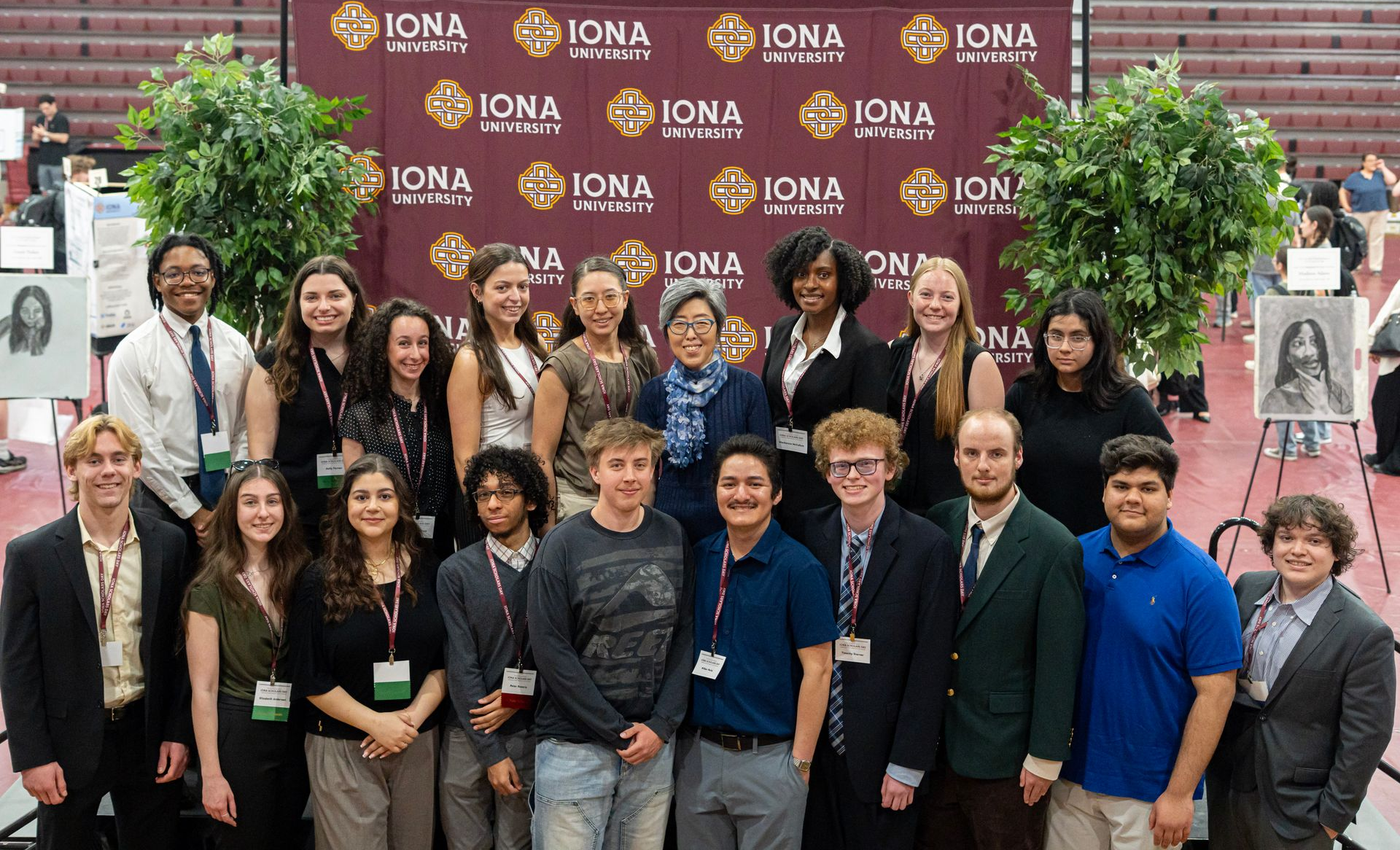
On Thursday, April 16, 2026, our Project Symphony members presented their work at the 17th annual Iona Scholars Day, a campus-wide celebration of student scholarship and creative activity. This event showcases faculty-mentored projects across disciplines and highlights the depth of undergraduate research at Iona. This year, Project Symphony members contributed an impressive total of 15 research posters, representing months—and in many cases, years—of sustained effort, curiosity, and collaboration. Their work stood alongside projects from across the university, helping to put chemistry and biophysical research in the spotlight. As the PI of Project Symphony, I am deeply proud of each team member’s dedication, professionalism, and growth. Watching them explain complex ideas with clarity and confidence to faculty, peers, and visitors was truly inspiring. Their posters did more than present data—they told the story of how careful experimentation, persistence, and teamwork lead to new insights. Congratulations again to all of our presenters—you represented Project Symphony, with excellence.