
WHAT'S NEW?
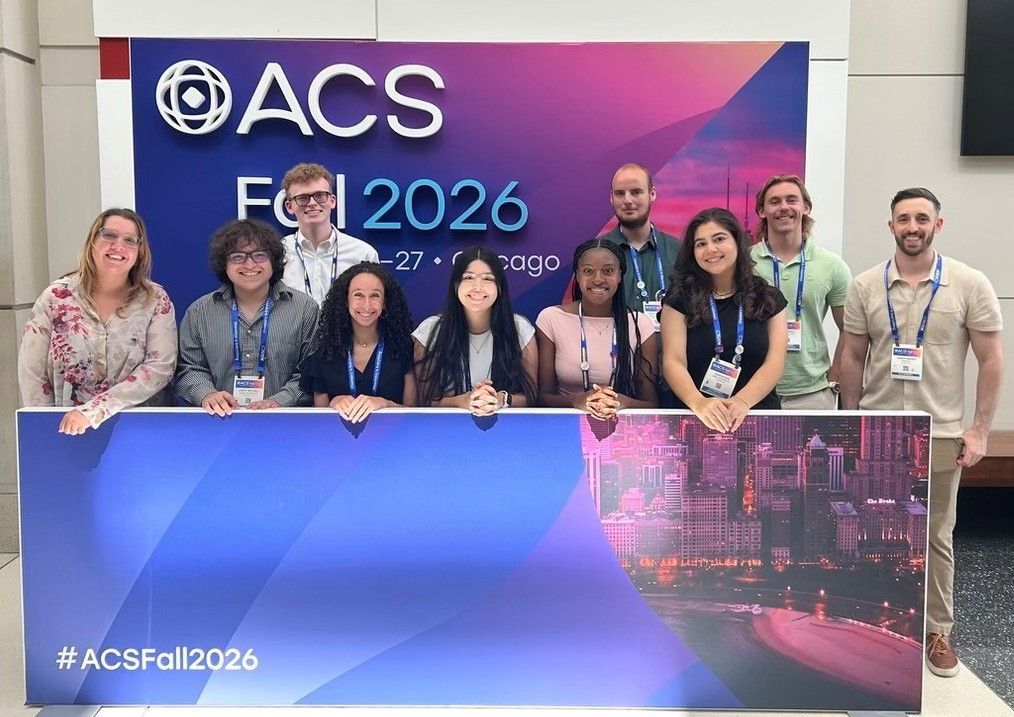
Project Symphony members proudly presented seven research posters at the ACS Fall Meeting in Chicago in the Biomaterials and Biointerfaces session of the Division of Colloid and Surface Chemistry. Presenting in this highly professional research setting—alongside graduate students and Ph.D.-level chemistry researchers—was a meaningful opportunity for our students to share their work, exchange ideas, and represent Project Symphony. This year’s group photograph is especially meaningful because it includes two Project Symphony alumni from the classes of 2015 and 2010, pictured at the far left and far right. Both are now accomplished scientists, and their return is a wonderful reminder of the lasting legacy of Project Symphony and the close-knit scientific community we have built over the past two decades. I am immensely proud of the hard work, dedication, and growth that led to these presentations. Congratulations to all of our presenters—keep up the excellent work!
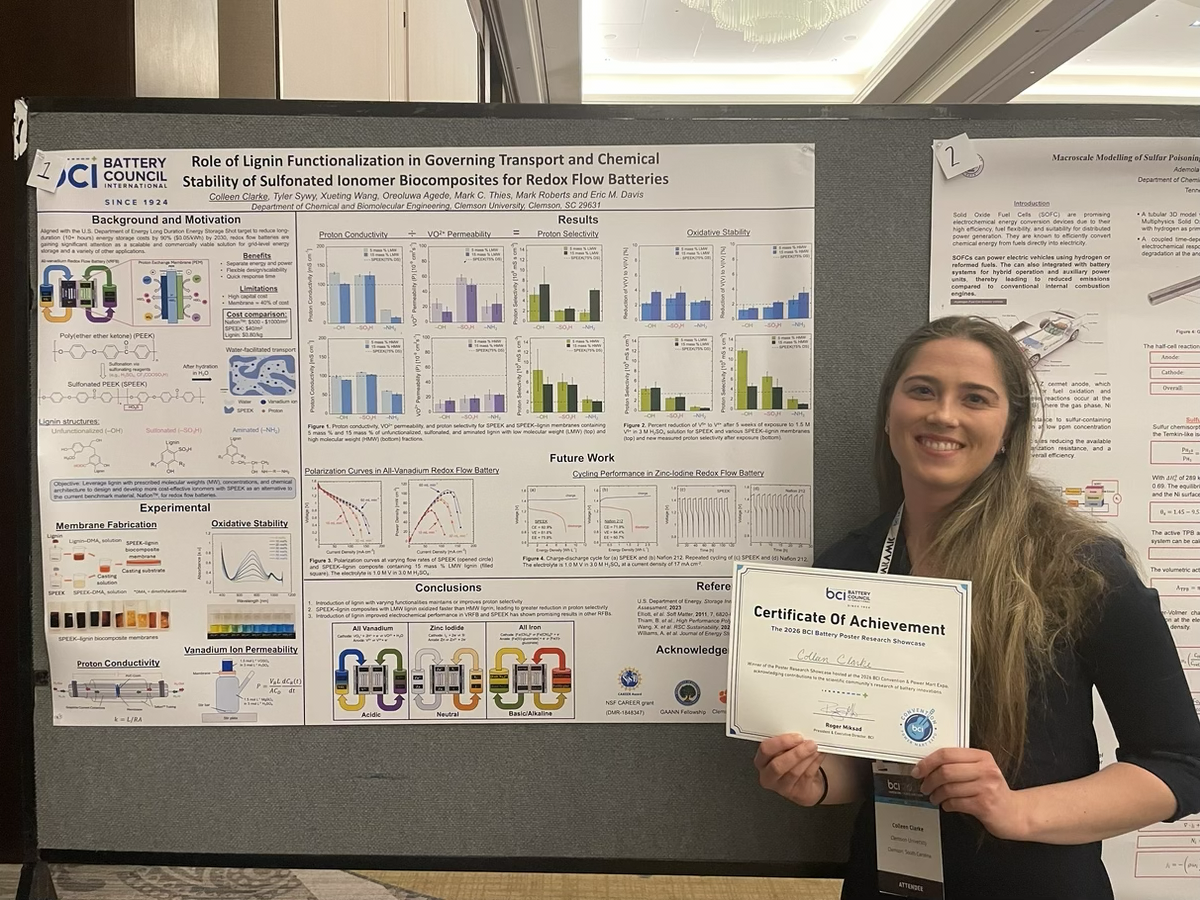
We are proud to celebrate the continued success of former Project Symphony member Colleen Clarke, a Ph.D. candiate at Clemson University, who has recently received the first place in the poster session at the Women in the Global Battery Industry's Science Award. Colleen received this prestigious honor for her academic work on the impact of lignin on the transport of chemical properties of sulfonated ionomer composites for all-vanadium redox flow batteries. Colleen exemplifies the curiosity, dedication, and perseverance that Project Symphony strives to nurture in all of its participants. During her time with Project Symphony, Colleen demonstrated a strong commitment to scientific exploration and collaborative learning. Those early experiences helped shape her path toward advanced study and research, where she continues to excel and make meaningful contributions in her field. We are thrilled to see her accomplishments and look forward to following her continued success. Congratulations, Colleen—we are incredibly proud of you!
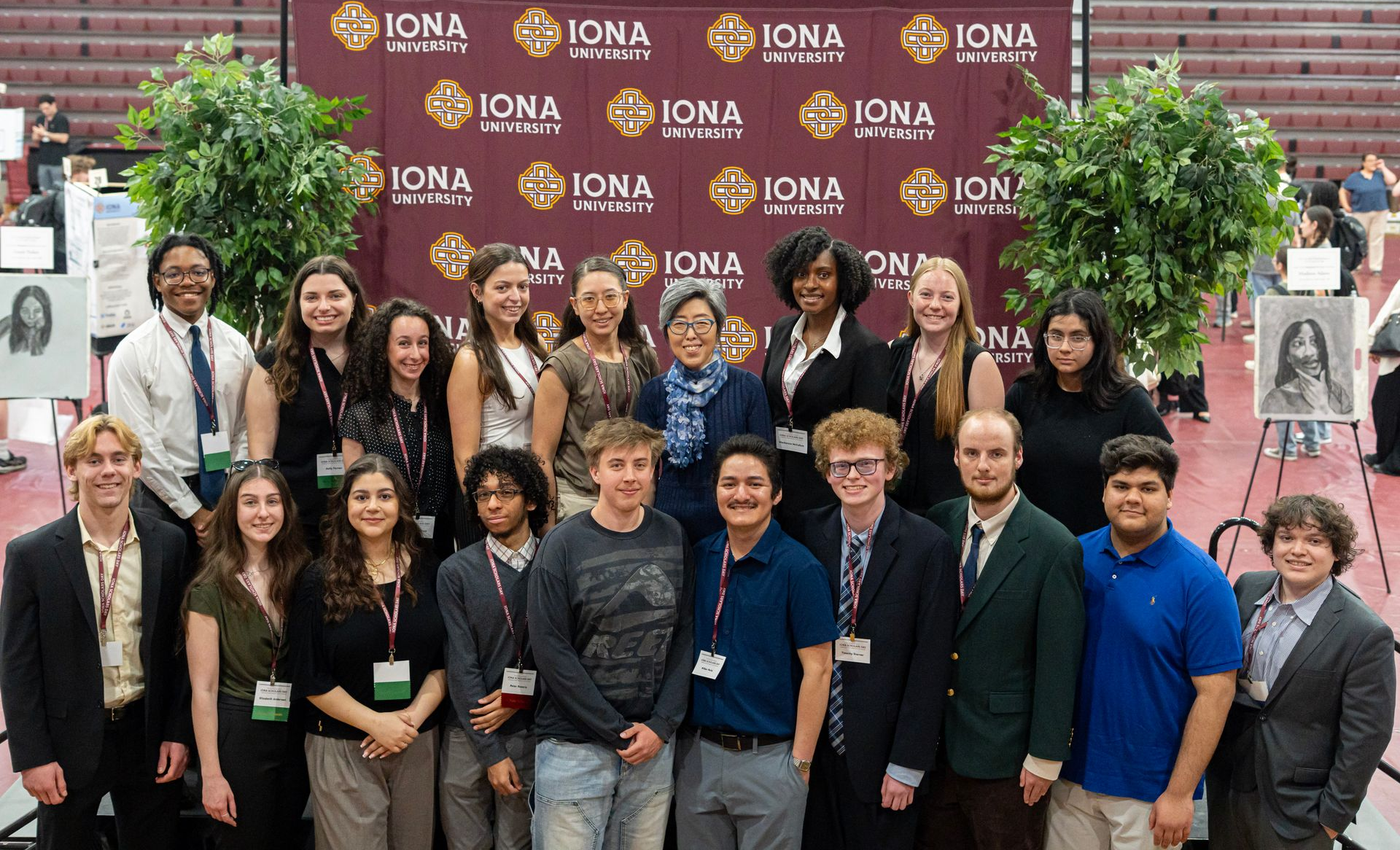
On Thursday, April 16, 2026, our Project Symphony members presented their work at the 17th annual Iona Scholars Day, a campus-wide celebration of student scholarship and creative activity. This event showcases faculty-mentored projects across disciplines and highlights the depth of undergraduate research at Iona. This year, Project Symphony members contributed an impressive total of 15 research posters, representing months—and in many cases, years—of sustained effort, curiosity, and collaboration. Their work stood alongside projects from across the university, helping to put chemistry and biophysical research in the spotlight. As the PI of Project Symphony, I am deeply proud of each team member’s dedication, professionalism, and growth. Watching them explain complex ideas with clarity and confidence to faculty, peers, and visitors was truly inspiring. Their posters did more than present data—they told the story of how careful experimentation, persistence, and teamwork lead to new insights. Congratulations again to all of our presenters—you represented Project Symphony, with excellence.
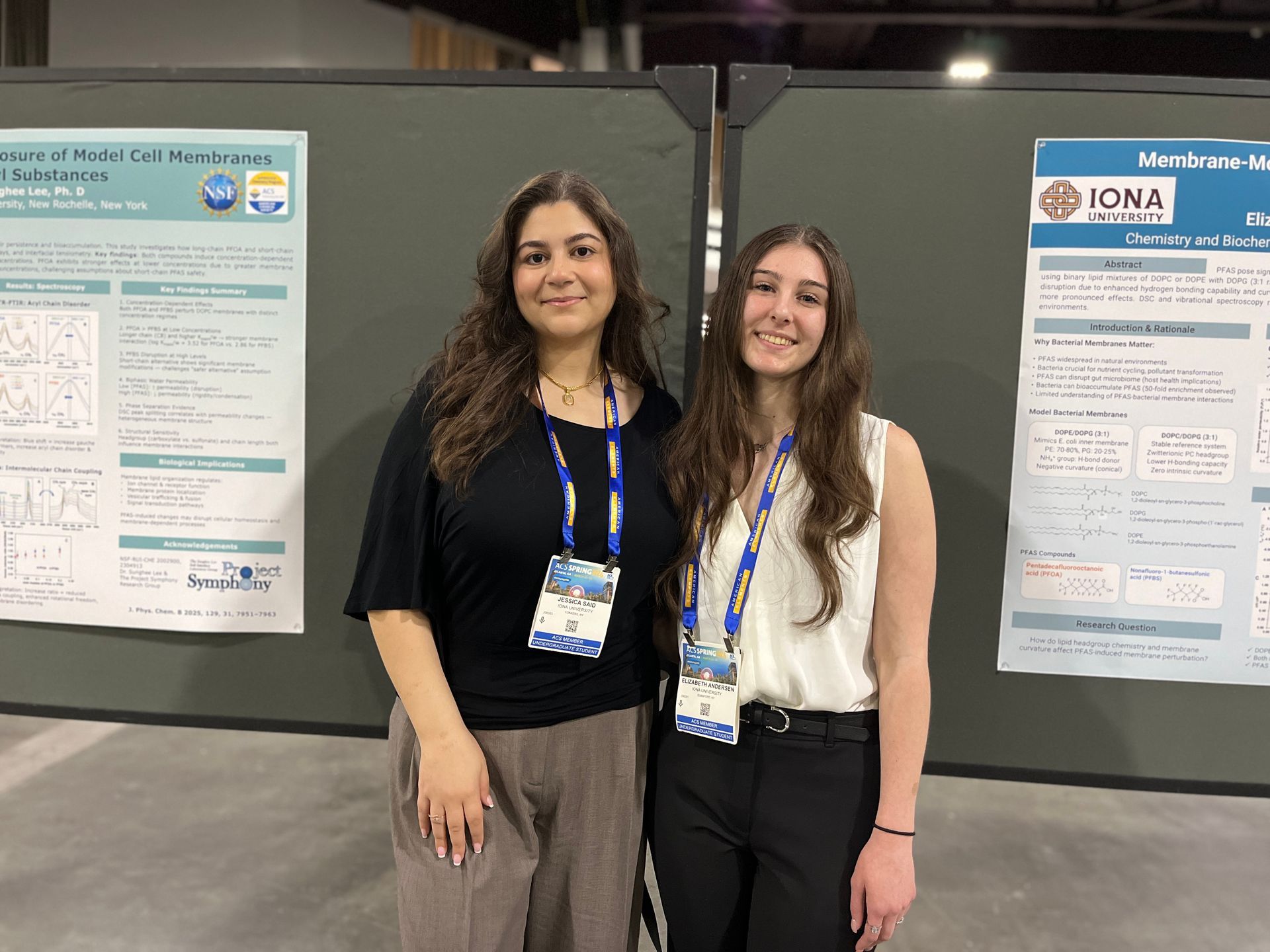
We are thrilled to celebrate two of our Project Symphony leaders, Lizzie and Jessica, who presented their research posters at the Spring 2026 ACS National Meeting in Atlanta, GA. They each shared our group’s culminated work on the impact of PFAS (“forever chemicals”) on mammalian and bacterial membranes in a session of the Division of Colloid and Surface Chemistry. Their posters were part of the Biomaterials and Biointerface symposium, which brings together research at the intersection of colloid and surface science and biology. The symposium highlights studies of biological interfaces, exactly where our work on PFAS–membrane interactions fits in, making it a perfect venue for showcasing what Project Symphony has been building toward over the past several years. Lizzie and Jessica presented the group’s work with professionalism, clarity, and confidence, representing Project Symphony to a truly global audience of scientists. As graduating seniors, this was their final undergraduate presentation, and they rose to the occasion. Much of what they shared has already appeared in two peer‑reviewed publications coauthored with other Project Symphony members, underscoring how sustained collaboration in our lab leads to publishable, impactful science. Adding to the celebration, former Project Symphony member Caroline, now a PhD student in chemistry at Georgia Tech University, joined them in Atlanta to cheer them on. Her support reflects one of the most meaningful parts of Project Symphony: a lasting tradition of alumni and current members helping one another grow, both scientifically and personally. For us, their success is more than just a conference highlight—it’s a powerful example of how we, as a group, work together to achieve what once felt unimaginable. From brainstorming experiments and troubleshooting instruments to interpreting complex data, Lizzie and Jessica’s posters reflected the collective effort of many current and past Project Symphony members. Kudos to every Project Symphony member for contributing to this milestone—and special congratulations to Lizzie and Jessica as they take their next professional steps fully prepared for whatever comes next.
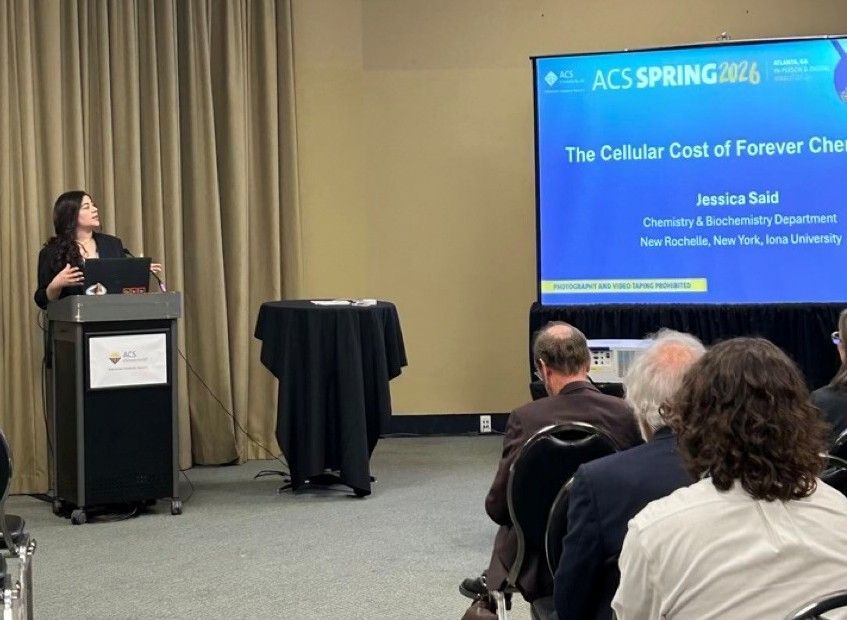
We’re excited to share some big news from our Project Symphony family! This spring, our own Jessica Said ’26, was selected as one of only six undergraduates from across the country to speak in the ACS Presidential Symposium, “The Next 150 Years of Undergraduate Research,” at the Spring 2026 ACS National Meeting in Atlanta, GA. She gave her invited talk on March 23, representing both Iona and Project Symphony on a national stage. Jessica has been part of Project Symphony since her freshman year, working long hours in the lab with fellow PS members. Her talk, “The Cellular Cost of Forever Chemicals,” looked at how PFAS (“forever chemicals”) can harm both mammalian and bacterial cell membranes. Using experiments carried out right here in the Project Symphony lab, she showed how these compounds can disrupt the structure and function of lipid bilayers, raising important questions for human health and environmental safety. Much of what she presented has already appeared in two peer‑reviewed publications coauthored with other Project Symphony members and Dr. Lee. Dr. Lee shared how meaningful this achievement is: “I am so very proud of her accomplishment. Her level of dedication in research far surpasses what is typically expected of an undergraduate student.” Dr. Lee also often reminds us that staying engaged in research over multiple semesters and summers is what helps Project Symphony students build resilience, patience, and real scientific rigor—skills that carry far beyond the lab. Being invited to speak in an ACS Presidential Symposium is a huge honor, and the undergraduate spots are extremely competitive. Jessica’s selection is a testament not only to her hard work, but also to what an all-undergraduate group can accomplish when we work together like a well-rehearsed ensemble. For all of us in Project Symphony, seeing one of our own step up to the microphone in Atlanta and share our collective work felt like hearing a solo emerge from the middle of a larger performance: one clear voice, supported by the whole group behind it. Stay tuned—there’s much more music to come from Project Symphony.
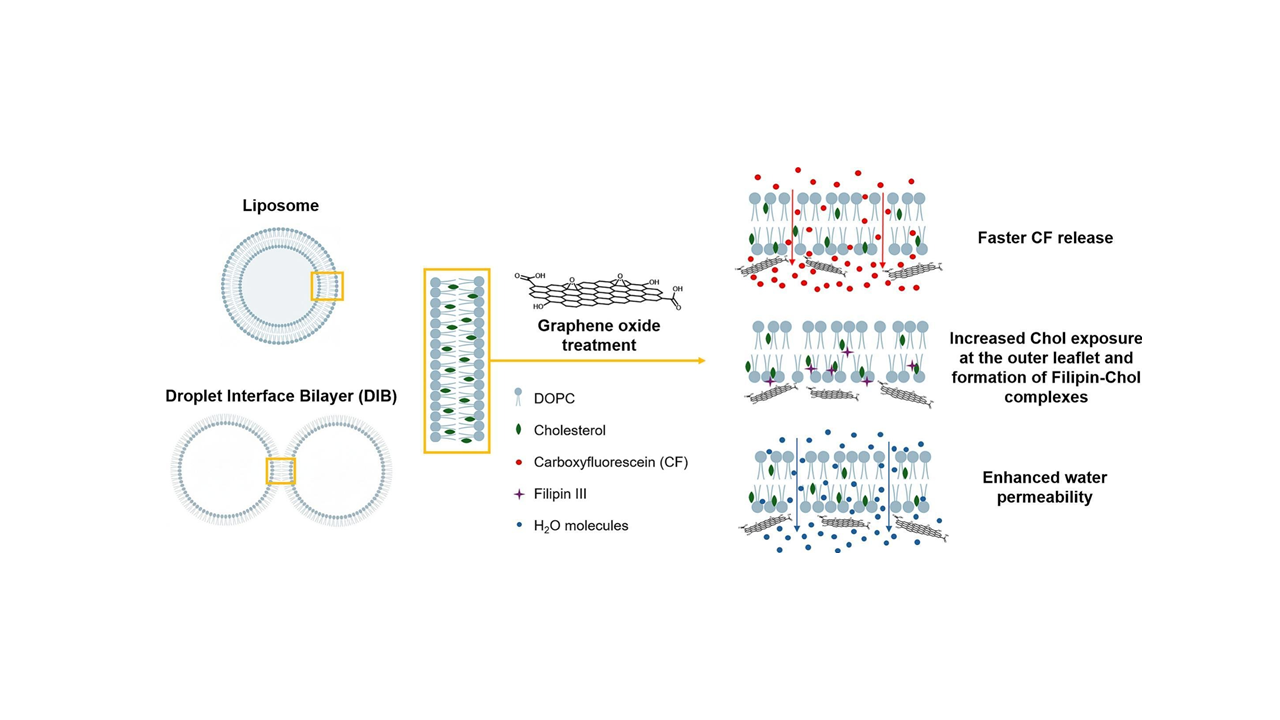
We’re pleased to announce our new collaborative publication, “Study of the Interaction Between Graphene Oxide and Cholesterol Using Different Artificial Membrane Models,” conducted in partnership with colleagues in Italy. This work investigates how graphene oxide—an emerging nanomaterial with biomedical promise—interacts with cholesterol within lipid membranes. By employing various artificial membrane systems, we examined how membrane composition and organization influence these interactions, revealing key insights into the physicochemical mechanisms at play. Our results contribute to a deeper understanding of how nanomaterials engage with biological membranes, providing valuable guidance for the safe and effective design of graphene-based biomedical applications. Congratulations to all team members and our Italian collaborators on this exciting achievement! The full article is available here: https://www.sciencedirect.com/science/article/pii/S0021979726002821 .
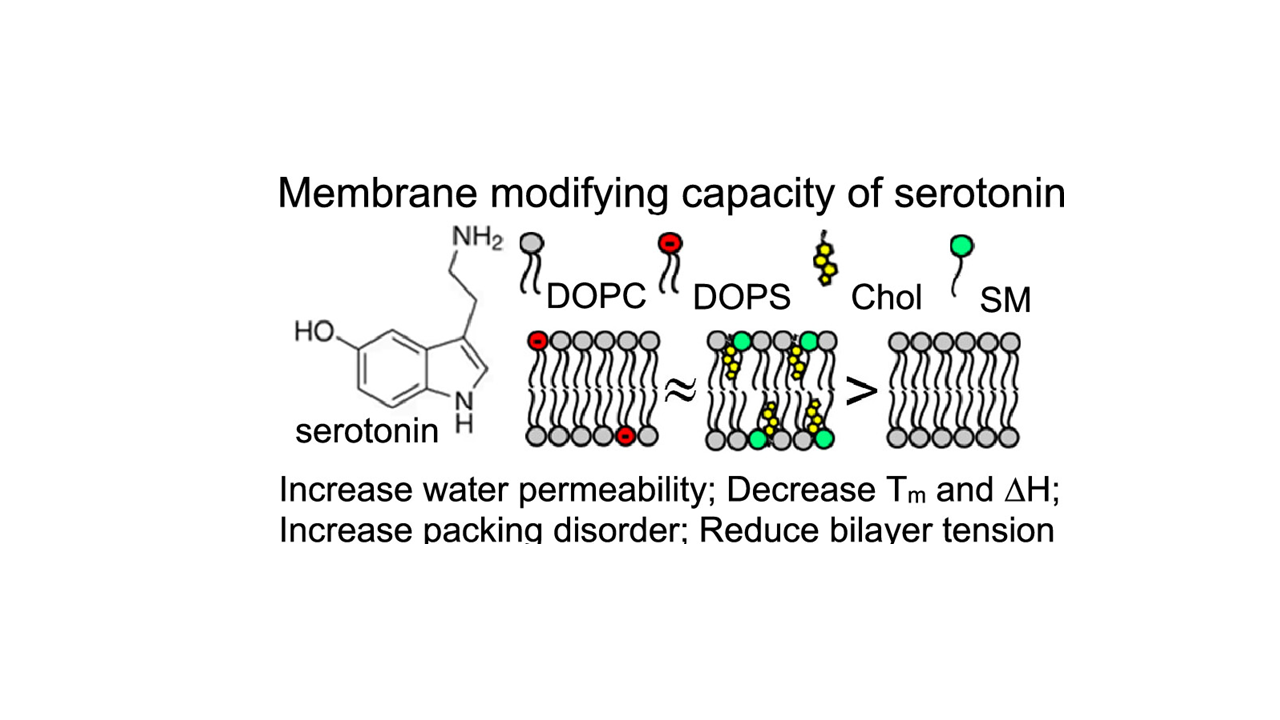
In this study, we explored how the membrane environment shapes the behavior of serotonin, a key neurotransmitter involved in mood regulation and neural signaling. By systematically varying lipid composition in model membranes, we uncovered how differences in lipid charge, fluidity, and packing influence serotonin’s nonspecific interactions with bilayers. Our findings shed new light on the physical chemistry of neurotransmitter–membrane interactions, with potential implications for understanding serotonin’s diverse physiological functions and its role in receptor signaling. Congratulations to all co-authors for their outstanding work and collaboration! The article can be accessed here: https://pubs.acs.org/doi/full/10.1021/acsptsci.5c00767
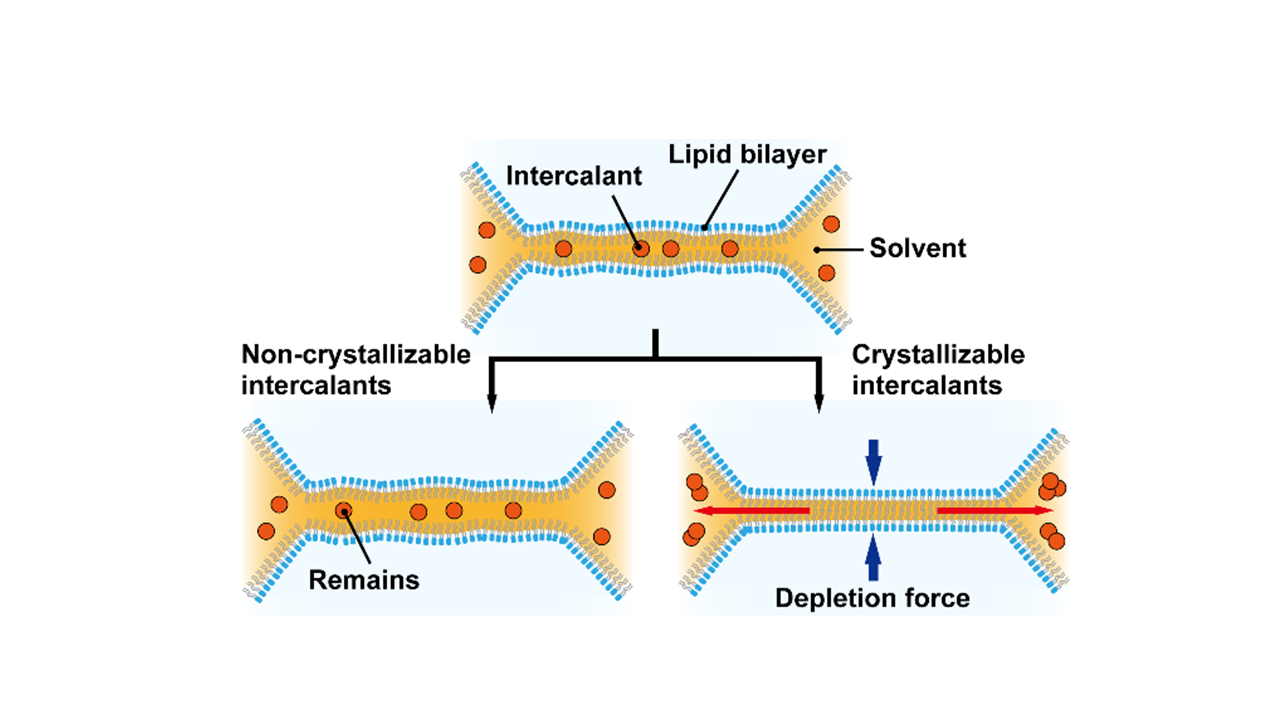
Our research team has uncovered new details about how small oil-like molecules influence the thickness and flexibility of cell membranes. These membranes, built from layers of lipids, contain tiny pockets of free space that help control how soft, dense, or permeable the membrane is. Our research team found that some smaller molecules can fit into these layers, making the membrane thicker, while larger or crystallizing ones get pushed out, leading to thinning. These changes help explain how different molecules inside a membrane affect its overall structure and function. This study not only expands our understanding of how biological membranes work but also points to new possibilities for creating custom-designed synthetic membranes for research and technology. Read more details here: https://pubs.acs.org/doi/10.1021/acs.jpcb.5c06296 Congratulations to the Project Symphpony team for their exciting findings and continued dedication to advancing membrane science!
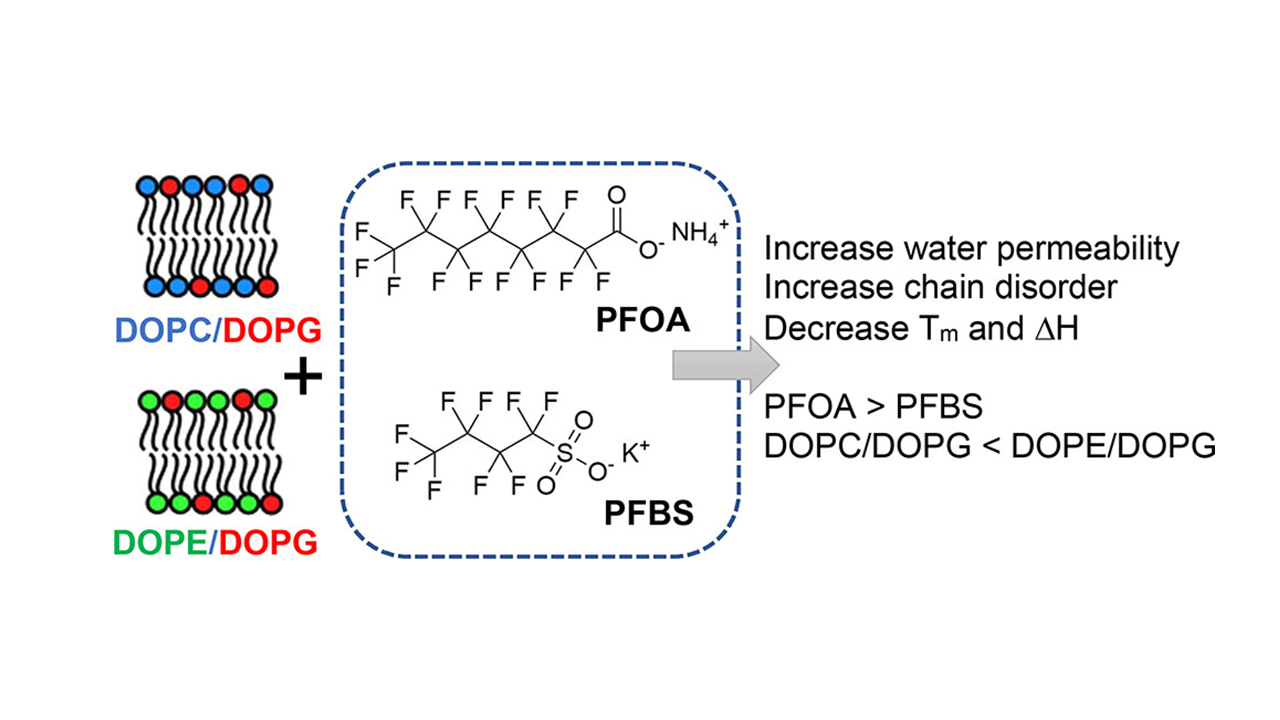
We are absolutely thrilled to announce that our Project Symphony, undergrad-fueled research team, just published another article digging into how those stubborn “forever chemicals”, called perfluoroalkyl substances, or PFAS, can mess with model bacterial membranes, making them leakier and less organized than before. It is alarming to discover that these chemicals actively change the physical properties of membranes, and different types of lipids respond in their own way to the disruption, meaning some bacteria could be more affected than others. What makes this work even more special is that our undergraduate team handled every step, and it’s now out there as open access for everyone to read—proof that curiosity and teamwork can lead to great science. The article is appeared in ACS Omega (on August 26, 2025), a publication of American Chemical Society (ACS). Please explore the article here: " Membrane-Modifying Effects of Perfluoroalkyl Substances in Model Bacterial Membranes " https://pubs.acs.org/doi/10.1021/acsomega.5c04177 Congratulations to Micaela, Amani, Jasmin, Jessica, Lizzy, Joey, and Jacqui for their enthusiasm and hard work leading to this contribution! Project Symphony’s journey continues—stay tuned for what’s next.
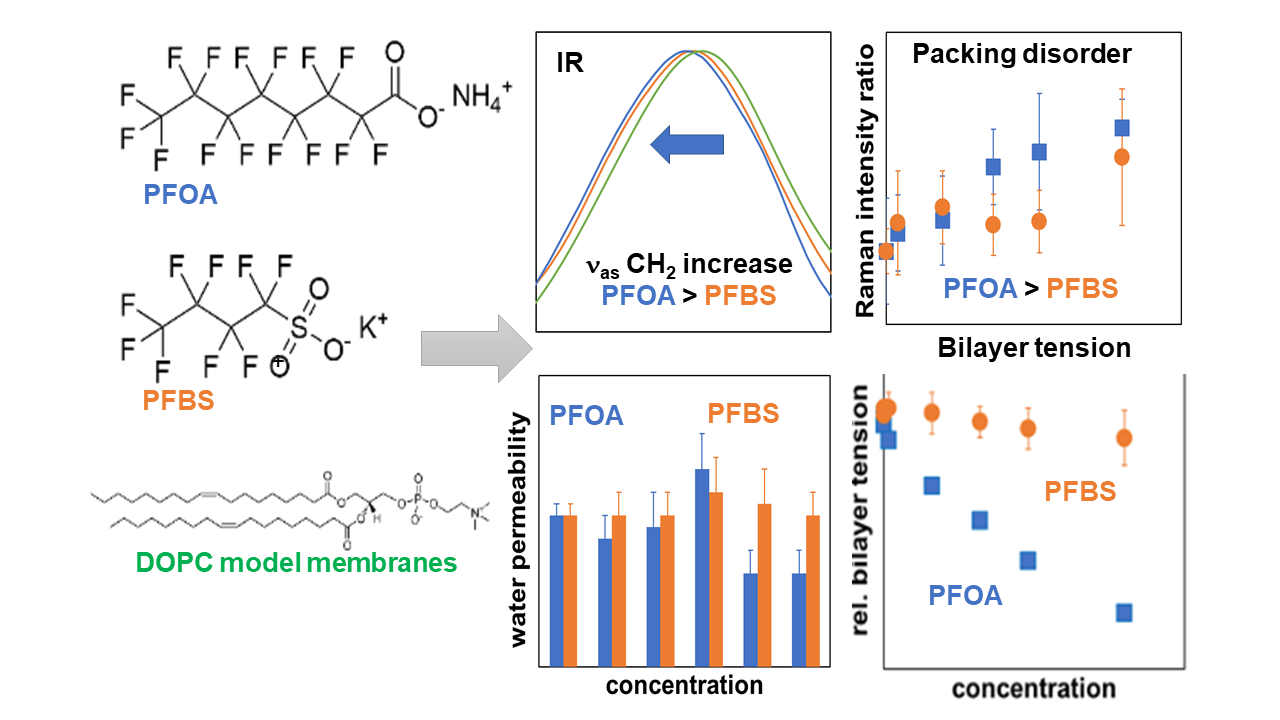
We are incredibly proud to announce that our talented Project Symphony undergraduate research team has just published a significant scientific article in the prestigious Journal of Physical Chemistry B, a leading journal published by the American Chemical Society in physical chemistry research. The newly published study, titled "Biophysical Consequences for Exposure of Model Cell Membranes to Perfluoroalkyl Substances," explores the complex interactions of widely used environmental chemicals (PFAS) with biological model membranes. This research addresses important health and environmental questions, employing various techniques to reveal how molecular structures of PFAS influence membrane properties and permeability. Please read: Biophysical Consequences for Exposure of Model Cell Membranes to Perfluoroalkyl Substances, J. Phys. Chem. B 2025, 129, 31, 7951–7963 https://pubs.acs.org/doi/10.1021/acs.jpcb.5c02472 What makes this achievement truly exceptional is that the work was led and conducted by undergraduate researchers, demonstrating their brilliance and dedication to advancing scientific knowledge. Their contribution not only adds valuable insights into the field of environmental and physical chemistry but also sets an inspiring example of how undergraduate students can make impactful contributions to cutting-edge science. Congratulations to the entire team for this outstanding accomplishment! This publication is a testament to their hard work, curiosity, and the rigorous training they have received.